
Jumping, playing, and overcoming barriers together
Planning concept | July 22, 2026
Using a variotramp combination of trampolines in different sizes, an inclusive planning concept was created for an active play environment that brings together people of all ages and abilities. The installation provides space for movement, social interaction, and shared experiences, with the goal of reducing barriers and making participation accessible to everyone.
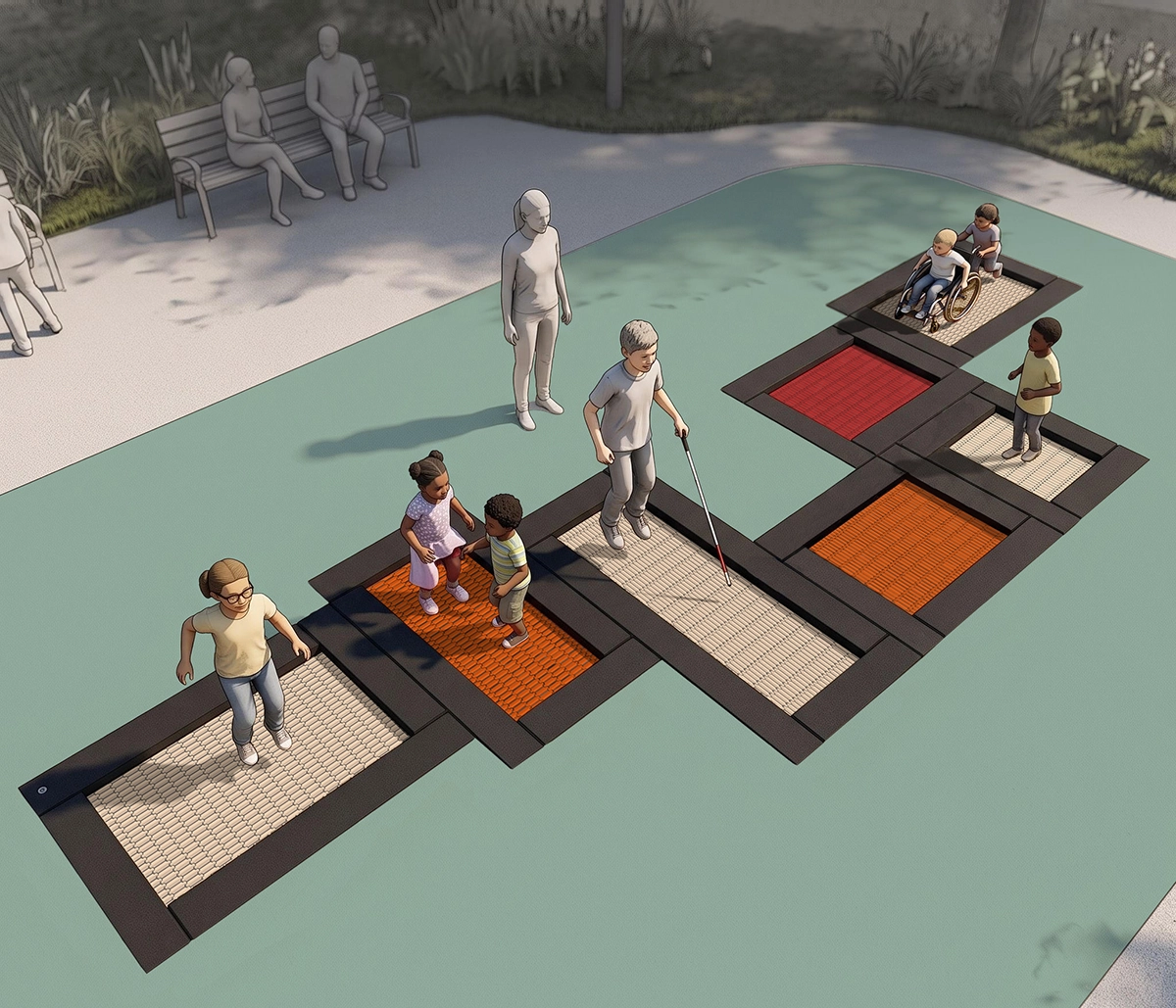
How do you create a space for movement where people can be active together regardless of age, experience, or physical ability? This question marked the starting point for the development of this inclusive planning concept for a variotramp installation. At its core is a dynamic movement landscape designed to encourage interaction, foster shared experiences, and naturally integrate inclusion into everyday life.
The result is a diverse combination of trampolines in various sizes. Three trampolines L, three trampolines M, and one trampoline S offer a wide range of movement opportunities - from a first cautious bounce to dynamic jumping sequences. The different jumping surfaces invite users to explore new movements, experience their bodies in new ways, and, above all, be active together.
A key feature of this planning concept is accessibility. Thanks to the ground-level installation, the trampolines are easy to access and seamlessly integrated into the overall play environment. The generously sized trampolines L, in particular, provide ample space for children and adults to jump together and support one another. This creates opportunities for shared movement experiences, including situations where wheelchair users can explore new forms of movement alongside a companion. Multiple access approaches further promote independent use and create a place where people with and without disabilities can play together, connect, and learn from one another.
In addition to the fun of jumping, trampoline activity offers numerous physical and developmental benefits. Balance, coordination, body control, and endurance are enhanced, while reaction time, rhythm, and body awareness are also improved. The variety of trampoline sizes ensures engaging movement opportunities for beginners as well as experienced jumpers.
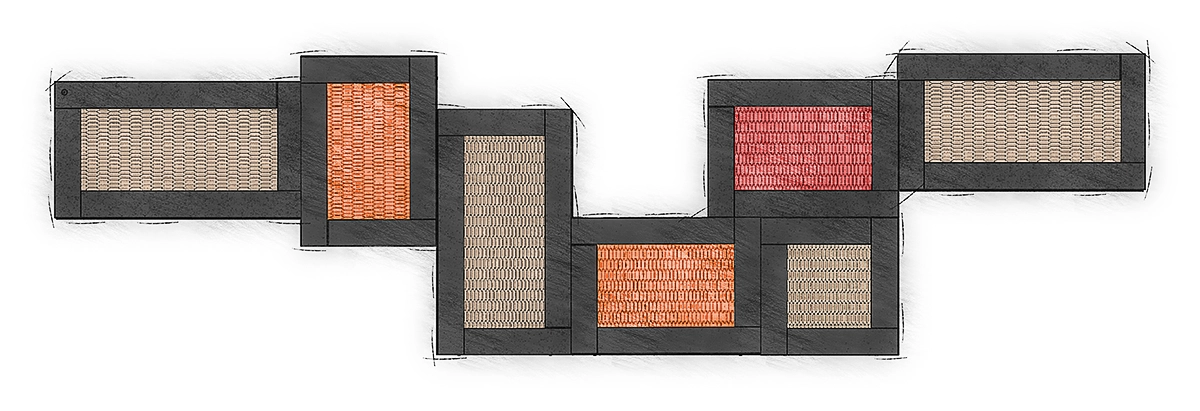
The design of the installation also supports intuitive use. High-contrast impact-attenuating fall protection improves orientation and clearly distinguish the jumping areas from their surroundings. Light-colored slats visibly mark the beginning of the jumping surfaces, while customized color concepts allow the installation to blend harmoniously into its environment.
An important principle behind this planning concept is the belief that children should be encouraged to discover and develop their own abilities. David Lebuser, founder of SIT'N'SKATE, has spent many years creating new opportunities for movement and action sports for children and young people who use wheelchairs. His guiding philosophy is:
„It’s not about being able to do everything.
It’s about having the opportunity to try everything.“
This mindset is reflected throughout the design. The movement landscape creates a space where children with and without wheelchairs can play, jump, and gain new experiences together. The focus is not on differences, but on shared experiences, mutual support, and the joy of movement.
Additional design possibilities include custom graphics on the jumping surfaces. Whether inspired by nature, animals, or other creative themes, these visual elements enhance play value, encourage imagination, and make every variotramp combination a truly unique installation.
To learn more about David Lebuser and the work of SIT'N'SKATE, visit www.sitnskate.de.